
Compare Business Electricity
Save time, money, and hassle with WeSave - your trusted energy partner for business electricity
Get free quote
Use our simple online form to request your free, no obligation quote in just a few minutes.
Switch supplier
After we’ve found the best deal for your business, we’ll manage the switching process for you.
Start saving
Start saving money on your bills, with dedicated ongoing support throughout your contract.
Lock in Lower Energy Prices for Your Business
At WeSave, we make it simple for UK businesses to find lower electricity prices and lock in long-term savings.
With direct access to all major UK suppliers, we compare live rates to find the best fixed electricity deals for your business — so you can focus on running it.
Since Autumn 2022, business energy prices have fallen by more than 70%. If you haven’t reviewed your electricity contract recently, there’s never been a better time to switch.

Why Switch Business Electricity?
Many businesses stay with the same supplier for years — often paying far more than they need to.
By comparing deals with WeSave, you could:
Cut costs by moving away from expensive out-of-contract rates
Fix your price for up to 3 years to protect against future rises
Gain peace of mind knowing you’re on a fair, transparent deal
Get help at every stage – from quote to renewal
Whether you run a café, workshop or warehouse, we’ll make sure your electricity works harder for your business.
Understanding the basics of Business Electricity
Business electricity works much like household energy, but with key differences that can affect how much you pay and how your contract is managed.
Unlike domestic energy, business electricity tariffs are based on many factors – such as your company’s size, usage patterns, location and meter type. Prices are not published in the same way as household rates, which is why using a broker like WeSave is the easiest way to find the best deal.
Every business electricity bill includes two main charges:
- Unit Rate (p/kWh): What you pay for each unit of electricity your business uses.
- Standing Charge (p/day): A daily fee that covers the cost of supplying electricity to your premises.
Other elements, such as VAT, the Climate Change Levy (CCL), Nuclear Rab Levy and network costs, will likely appear on your bill too.
Most businesses pay 20% VAT, though smaller users or charities could qualify for the reduced 5% rate.
Why Businesses Choose WeSave
WeSave is an independent UK energy broker built on transparency, trust and results.
We don’t just compare rates, we look after you throughout your energy journey.
Access to all major UK suppliers
Honest, independent advice
Dedicated support from our UK-based team
Early renewal options up to 12 months in advance
Competitive green energy alternatives
Clear, no-jargon guidance every step of the way

Business Electricity Rates in September 2026
Understanding the latest business electricity rates is essential for managing energy costs in 2026, whether you’re a micro business, SME or larger organisation. As UK electricity prices continue to change, having clear benchmark data helps businesses compare tariffs, review renewal options and make informed decisions.
Below, you’ll find average business electricity prices for 2026, including indicative unit rates, standing charges and typical fixed-rate tariff structures. This makes it easier to compare your current deal against the market and see whether more competitive electricity prices may be available for your usage and location.
Using the latest available data helps your business compare suppliers with confidence, check whether existing rates remain competitive and assess whether it may be the right time to review your contract.
Cheapest UK Business Electricity Prices - September 2026
|
Business Size
|
Annual Usage
(kWh) |
Cheapest Business Electricity Unit Rate
(p/per kWh) |
|---|---|---|
|
Micro business
|
0 - 4,999
|
24.684p
|
|
Small business
|
5,000 - 14,999
|
24.684p
|
|
Medium business
|
15,000 - 24,999
|
24.684p
|
|
Large business
|
25,000 - 49.999
|
24.684p
|
|
Very large business
|
50,000+
|
Average UK Business Electricity Prices - September 2026
|
Business Size
|
Annual Usage
(kWh) |
Average Business Electricity Unit Rate
(p/per kWh) |
Average Daily Standing Charge
(p/day) |
|---|---|---|---|
|
Micro business
|
0 - 4,999
|
27.20p
|
79.61p
|
|
Small business
|
5,000 - 14,999
|
26.90p
|
87.83p
|
|
Medium business
|
15,000 - 24,999
|
26.88p
|
93.03p
|
|
Large business
|
25,000 - 49.999
|
26.96p
|
147.91p
|
|
Very large business
|
50,000+
|
Disclaimer: Business electricity prices vary depending on market conditions, contract type, usage, location, and supplier. The figures shown reflect indicative UK 1-year fixed-rate averages based on data from 4th September 2026. These rates are provided for guidance only. Actual prices will differ from business to business, and we can provide a tailored quotation based on your specific meter details.
Summary of Business Electricity Rates in September 2026
Business electricity pricing can be difficult to navigate, particularly with frequent market fluctuations. To provide a clear benchmark, the following highlights some of the latest fixed-rate deals currently available for different business sizes:
Current deals include:
- Micro businesses (up to 5,000 kWh/year): Rates from 24.684p per kWh, with a daily standing charge of 86.94p per day on a 1-year fixed tariff.
- Small and medium businesses (5,000–24,999 kWh/year): Rates from 24.68p per kWh, with a daily standing charge of 86.94p per day on a 1-year fixed tariff.
- Large businesses (25,000-49.999 kWh/year): Rates from 24.68p per kWh, with a daily standing charge of 86.94p per day on a 1-year fixed tariff.
To get the most accurate and personalised rates for your business, live quotes based on your consumption and postcode are recommended.
📈 Market Update – September 2026
UK wholesale energy prices have moved sharply higher again at the start of September following renewed military action between the US and Iran, bringing geopolitical risk firmly back to the forefront of energy markets.
The Strait of Hormuz remains a key concern, with shipping activity significantly below normal levels and continued disruption affecting global oil and LNG supplies. This has increased competition for available gas and added further risk premiums to both UK gas and electricity markets.
As a result, both wholesale gas and electricity prices have risen, with suppliers responding by increasing fixed business energy rates. This follows an already unsettled August and means some of the more competitive pricing available earlier in the summer has now disappeared.
There are additional concerns as we move towards winter. European gas storage levels are lower than would normally be expected at this point in the year, meaning the market has less protection against further supply disruption or a particularly cold start to winter.
Despite the increases, most UK business energy suppliers remain actively quoting and competition remains healthy. However, recent movements demonstrate just how quickly prices can change when geopolitical events affect global energy supplies.
Businesses with contracts due for renewal over the coming months may therefore benefit from reviewing their options sooner rather than later, particularly while a broad range of suppliers and fixed-rate contracts remain available.
What our client's say
Lucy
I am an administrator of a group of Care homes, and WeSave were extremely helpful in helping me secure attractive, competitive deals for our utilities going forward. What I like about this company is that they were not pushy at all and provide excellent customer service once you have secured the deals.
Mark Taylor
I'm treasurer of several operations within the village, covering 4 sites and 6 fuel contracts. Rob of WeSave was able to find and agree contracts for the sites which were due for renewal or out of contract and I will be happy for him to provide the remaining contracts as they become due. He gave a professional service and arranged everything for us.
The Beach House
After getting numerous quotes from various suppliers, we went with WeSave as they had the best prices and were easy to contact and deal with. The Customer Service, especially being able to speak with the same person regularly, made the switch very easy. Highly recommended
Ian Akeroyd
From the first contact with Rob the service has been excellent. Very helpful, friendly and professional at all times and not at all pushy. Out of the 5 different quotes I got WeSave was the best price. Will certainly use again and would highly recommend..
Brooks Estates Ltd
WeSave have made us savings of over £15,000 per year on green electricity and gas contracts across four of our properties so far. We have no hesitation in engaging WeSave to deal with all supplies across our portfolio, as the contracts come to an end, as we know that they will secure preferential rates with reputable suppliers.
Jodie Mills
The service was fantastic, I had the same guy call me each time. He was open and honest about charges etc, was nice and kind and very helpful, not pushy or rude. Will definitely use again. Thank you soo much
Raymond Nash
From my initial contact to speaking things through with Rob everything was made extremely simple and and at no time did I feel pressured in to making an immediate decision. It was a refreshing experience having dealt with numerous brokers and comparison companies in the past and to top it all they are actually based in Cornwall !!
Josie Warne
We Save was recommended to me by a fellow business owner, as they had a good experience for their electric comparison. We also had a very good experience and decided to go with their quote. Polite and courteous staff (we used Rob) and exceptionally good communication and timely responses. I am also assured that there is also very good after service should this be needed.
James Spargo
Excellent Service from Alex and the team. We worked together and they helped us all the way.
Highly Recommended!
Johnny's Tobacconist
I contacted WeSave as I was fed up with pushy sales energy brokers and I wanted to support a local business in Cornwall. Alex was friendly, efficient, helpful and communicated well. There was no hard sell or pressure to switch our energy supplier through WeSave. I highly recommend WeSave and Alex!
Business Electricity Tariffs
Choosing the right electricity tariff can save your business money and provide greater control over energy costs. UK businesses have a variety of options, from fixed-rate and variable tariffs to green energy and flexible solutions. Whether you want predictable monthly bills, the chance to benefit from market price changes, or renewable energy options, understanding the different business electricity tariffs available is key to reducing costs and improving energy efficiency.
Your business electricity deal also depends on your meter type – standard, smart or half-hourly – which determines how often your consumption is measured and billed.
At WeSave, we simplify all of this. Our experts compare the market, explain your options in plain English, and help you secure the tariff that makes the most sense for your business.
Fixed-Rate
The most popular choice for UK businesses looking to secure predictable energy costs. With a fixed-rate tariff, you can lock in your electricity unit rate and standing charge typically between 1 and 5 years. This protects your business from price increases caused by fluctuating wholesale electricity costs, giving you budget certainty and financial stability.
Variable-Rate
Perfect for part-time or seasonal businesses, no standing charge tariffs eliminate the daily fixed fee. While these tariffs can save money when usage is low, they often come with higher unit rates than standard tariffs, so they’re best suited to businesses with irregular electricity consumption.
No Standing Charge
Perfect for part-time or seasonal businesses, no standing charge tariffs eliminate the daily fixed fee. While these tariffs can save money when usage is low, they often come with higher unit rates than standard tariffs, so they’re best suited to businesses with irregular electricity consumption.
Deemed
If your business moves into new premises without agreeing a contract, or your existing contract ends without renewal, you’ll be placed on a deemed tariff. These rates are usually higher than negotiated contracts, making it important to compare options and switch as soon as possible.
Rollover
If your business hasn’t agreed a new electricity contract, you may be placed on a rollover tariff for a fixed period, usually 12 months. While convenient, rollover rates may not offer the best value, making it essential to review and compare tariffs before your contract renews.
Smart Export Guarantee
Previously, known as Feed-In Tariffs, SEG tariffs reward businesses that generate their own renewable electricity, such as from solar panels or wind turbines. The government-backed scheme pays for every kWh exported to the grid, allowing businesses to earn from excess energy production.
Flexible
Flexible tariffs allow larger energy users to purchase electricity in advance or in stages, giving access to wholesale prices and improved control over electricity costs. This option is best suited to high-usage or multi-site businesses that want greater flexibility in how and when energy is bought.
Pass-Through
Pass-through tariffs split your bill into two parts: a fixed energy element and a variable non-energy element, which reflects additional supplier costs that fluctuate throughout the year. These tariffs are ideal for businesses that want complete transparency and control over their electricity costs.
Business Electricity Prices per kWh by Supplier
You might be wondering whether the size of your business affects the electricity tariff you pay. The short answer is yes.
In fact, smaller businesses often end up paying a higher rate per kWh, while larger businesses are usually offered lower rates. The standing charge can also vary depending on the size of your company.
There are several reasons for this. Large businesses tend to have substantial electricity needs, so securing a cost-effective tariff is crucial to avoid unnecessary expenses. They are often able to negotiate bulk consumption discounts and may enlist brokers to help them secure the best deals.
Smaller businesses, on the other hand, generally have lower energy requirements. They may be less likely to shop around for alternative contracts and usually don’t consume enough electricity to qualify for bulk discounts.
Regardless of your company’s size, energy experts recommend comparing different business electricity rates. Doing so can help you find competitive tariffs, and understanding the electricity market can be a valuable advantage when negotiating with suppliers.
The table below provides you with a comparison of rates per supplier:
|
Supplier
|
Cheapest Business Electricity Day Rate
(p/per kWh) |
Daily Standing Charge
(p/day) |
Compare
|
|---|---|---|---|
|
British Gas
|
28.32p
|
60p
|
|
|
British Gas Lite
|
27.52p
|
40p
|
|
|
Corona Energy
|
26.28p
|
106.68p
|
|
|
EDF
|
27.50p
|
80p
|
|
|
EON Next
|
27.90p
|
30p
|
|
|
Scottish Power
|
26.71p
|
104.28p
|
|
|
Smartest Energy
|
26.01p
|
124.51p
|
|
|
SSE
|
27.01p
|
121.48p
|
|
|
Valda Energy
|
28.19p
|
64.00p
|
Disclaimer: These business gas rates are accurate as of 4th September 2026 and are based on live market data. Prices can vary depending on market conditions, contract length, usage, location, and supplier. The example shown is calculated using a 1-year fixed-rate contract with an annual consumption of 24,999 kWh and is provided for guidance only. Actual prices will differ, and we can supply a tailored quotation based on your specific meter details.
Understanding Your Business Electricity Meter
Choosing the right electricity meter is an important step in keeping your business energy costs under control. The type of meter you use affects how you’re billed, how accurate your charges are, and which tariffs you’re eligible for. In some cases, energy suppliers may even provide the meter free of charge, depending on your contract.
Smart Meter
Smart meters are the go-to option for most small and medium-sized businesses. They automatically send regular readings to your supplier, cutting out admin and helping ensure your bills are always accurate and up to date. With real-time data at your fingertips, it’s easier to monitor consumption and spot opportunities to save.
Standard Meter
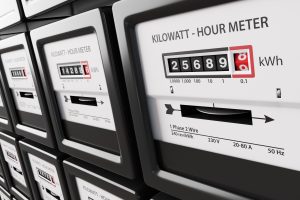
A standard meter works on a single rate and is still widely used across UK businesses. If you have this type of meter, you’ll need to submit meter readings yourself to keep your bills correct. It’s a simple setup but requires a bit more hands-on management.
Multi-rate Meter
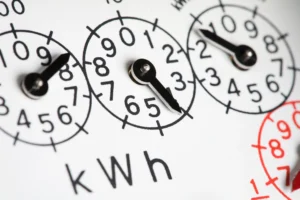
If your business benefits from time-of-use tariffs – such as cheaper rates during evenings or off-peak periods – you’ll need a multi-rate meter. These meters can track different prices throughout the day, making them a good fit for businesses operating outside traditional hours.
Half-hourly Meter
Half-hourly meters are designed for businesses with higher electricity usage. They automatically send consumption data every 30 minutes, giving suppliers precise insight into your usage patterns. This level of detail can help secure more competitive rates if your business requires a large, consistent supply of power. You can find out further information about Half-Hourly meters by clicking here.

Business Electricity FAQs
Find answers to our frequently asked business energy questions below…
Switching your business energy supplier can help you save money on your energy bills by securing better rates and contract terms.
Additionally, switching to a green energy supplier can help you reduce your business’s carbon footprint and improve your sustainability efforts.
It’s best to start looking at new business electricity quotes around six months before your contract end date. This gives you enough time to compare prices, avoid expensive out-of-contract rates and lock in competitive deals ahead of market changes.
Several factors influence the commercial electricity rates available to your business, including:
- Wholesale electricity market prices
- Your annual electricity consumption
- Location and size of your premises
- Industry sector and operating hours
- Your business’s credit score
Many companies assume these hurdles make switching difficult, but staying put often means paying far more than necessary. We help businesses of every size navigate the market and secure the best available tariffs from our trusted supplier panel.
Yes – if you operate from several locations or have high usage across a single large site, a multi-site electricity contract can simplify management and reduce costs.
Benefits include:
- One contract for multiple meters
- Easier renewals and unified billing
- Potential discounts by combining usage
- Better visibility and control over overall energy consumption
Half-hourly (HH) meters automatically send accurate usage data to your electricity supplier every 30 minutes.
They are mandatory if your site has a maximum demand of 100 kVA or more in any 30-minute period.
HH meters help large energy users avoid estimated bills and secure more accurate, tailored commercial electricity rates.
Find more information about half-hourly meters by clicking here.
No – dual fuel tariffs are for domestic customers only.
Commercial customers must agree separate electricity and gas contracts.
However, if you choose to take both fuels with the same supplier, you may be able to negotiate a more favourable overall deal.
No. Switching your business electricity supplier is a seamless process and won’t interrupt your power supply.
Your electricity is delivered through the existing infrastructure — only the supplier and billing arrangement change.
If you don’t renegotiate or switch during your renewal window, you may be placed on a rollover or deemed tariff.
These rates are typically far more expensive.
The good news? You can leave deemed rates at any time without exit fees – so if your contract has rolled over, get new quotes immediately to avoid overpaying.
You may be eligible for the reduced 5% VAT rate if:
- You use less than 1,000 kWh of electricity per month
- You use less than 4,397kWh of gas per month.
- You’re a charitable or non-profit organisation
- At least 60% of your electricity is used for residential or care accommodation
The Climate Change Levy (CCL) is an environmental tax on commercial energy use in the UK. It is an additional tax, alongside VAT, that certain businesses will pay on their energy.
It is designed to make UK businesses more sustainable. The more energy-efficient your business is, and the less carbon-creating energy you use, the less CCL you pay.
Your business may be exempt from CCL if any of the following apply:
- You use less than 1,000kWh of electricity per month.
- You use less than 4,397kWh of gas per month.
- You are a charitable or non-profit organisation.
- At least 60% of your business energy is used for residential accommodation.
Introduced in November 2025, the Regulated Asset Base (RAB) Levy is a charge designed to help finance major low-carbon electricity projects, such as new nuclear power stations.
It spreads the cost across consumers to speed up investment in long-term clean energy infrastructure.
Not all suppliers include the RAB Levy in the same way, so it’s important to check how it appears on your electricity quotes.
Most UK business electricity switches complete within 5 working days under Ofgem’s Faster Switching programme.
However, switches can take longer if your current supplier raises an objection, usually due to unpaid bills or incorrect details.
You’ll usually need:
- Your business address
- MPAN (electricity supply number)
- Estimated or actual annual consumption
- Current supplier and contract end date
If you don’t know your usage, we can estimate it based on your meter type and business size.
You’ll usually need:
- Your business address
- MPAN (electricity supply number)
- Estimated or actual annual consumption
- Current supplier and contract end date
If you don’t know your usage, we can estimate it based on your meter type and business size.
Fixed-rate electricity deals are popular because they lock in unit rates for the full contract term, protecting your business from market volatility.
Variable tariffs are more flexible but can be risky during periods of rising wholesale prices.
Yes – new businesses can secure commercial electricity deals, even without usage history.
Some suppliers may run a credit check, and deposits may occasionally be required for brand-new companies.
Many suppliers now offer fully renewable business electricity tariffs sourced from wind, solar and hydro generation.
Choosing green electricity can help your organisation reduce emissions and meet ESG or sustainability targets.
If you’re relocating, you’ll need to:
- Tell your current supplier the final meter reading
- Close or transfer your existing contract
- Agree a new electricity contract for your new site
When you move in, you’ll automatically be placed on deemed rates until you secure a new deal.
Have any other questions?
Speak to a member of our friendly team by calling us today on 01872 495 111.
Our lines are open Monday to Friday, 9am – 5.30pm.
Our Services
Complete Business Energy Support from WeSave
At WeSave, we help UK businesses take control of their energy costs with clear, expert guidance and access to competitive tariffs from a wide panel of trusted suppliers. Whether you’re renewing, switching or exploring greener options, our service is designed to deliver long-term value, complete transparency and genuine savings.
We compare live electricity, gas and renewable energy prices, analyse your usage and negotiate better deals on your behalf. Our independent approach ensures every recommendation is tailored to your business needs – giving you confidence, clarity and a simpler way to manage your energy.
With WeSave, you get a trusted energy partner committed to reducing your costs and supporting your long-term sustainability goals.

Business Electricity
Compare fixed and flexible tariffs from a large range of trusted UK suppliers.

Business Gas
Reduce costs with competitive commercial gas deals with WeSave.

Green Energy
Power your business sustainably with green electricity and carbon-offset gas
Alongside electricity and gas, we also help businesses reduce costs and stay compliant with business waste collection services, all managed through one trusted partner. Click here for further information.