Reading gas and electric dials can seem confusing, but it’s essential for getting accurate energy bills for your business. In this guide, WeSave explains everything you need to know about reading gas and electric dials, Smart meters, and traditional analogue meters – so you can stay in control of your energy usage.
Why Are Meter Readings Important?
Submitting regular meter readings ensures your energy bills reflect your actual usage rather than estimates.
If you have traditional analogue meters, you’ll need to provide readings so your supplier can calculate your true consumption and bill you correctly. Regular readings help avoid overpaying or underpaying for your energy.
If you have Smart meters, they automatically send your readings to your supplier – saving you the job. However, there are a few occasions when you might still need to submit readings manually, such as:
- When moving premises
- Following a business closure
- If your Smart meter temporarily loses connection
Who Is Responsible for Taking Meter Readings?
If your business has traditional meters, you’re responsible for submitting regular readings for both gas and electricity.
Smart meters, on the other hand, send readings automatically to your supplier, so there’s usually nothing more for you to do.
If you generate your own renewable electricity and are on a Smart Export Guarantee (SEG) tariff, you might occasionally need to provide export readings too.
If you’re unable to read your meter and no one at home can help, contact your supplier. They can often arrange for a representative to visit and take quarterly meter readings for you.
What Type of Meters Do You Have?
Your meter type will determine how you need to take your readings. Here’s how to tell which you have – and how to read each one correctly.
Traditional Meters
If your meter has dials or an analogue display, it’s a traditional non-smart meter. You’ll need to submit readings manually when prompted by your supplier.
Once you provide your readings, your supplier will send you an updated statement showing your latest balance.

Multi-Rate Tariff
Press the green A button until ‘Rate 01 Act Imp’ (off-peak) appears, then press it again until ‘Rate 02 Act Imp’ (peak) shows. Record both readings from left to right.
How to Read a Traditional Gas Meter
Digital metric meter
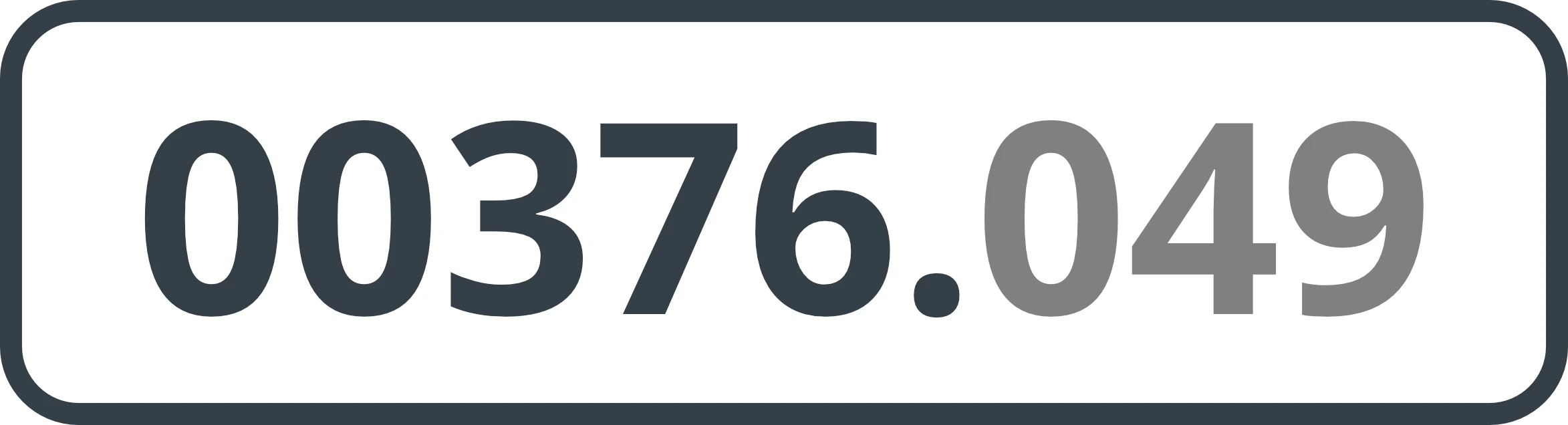
- Write down the five numbers shown from left to right.
- Ignore any digits after the decimal point (often shown in red).
- The meter reading in the example above is 00376
Imperial meter

- Write down the four black numbers from left to right.
- Ignore the red digits.
- The meter reading in the above example is 7241.
Dial meter

- Read the four dials from left to right along the bottom row only.
- Ignore any other dials.
- When the pointer is between two numbers, record the lower number (for example, between 9 and 0, write down 9).
- 💡 Note: each dial turns in the opposite direction to the one before it.
- The meter reading in the above example is 8351.
How to Read a Traditional Electricity Meter
Single rate meter
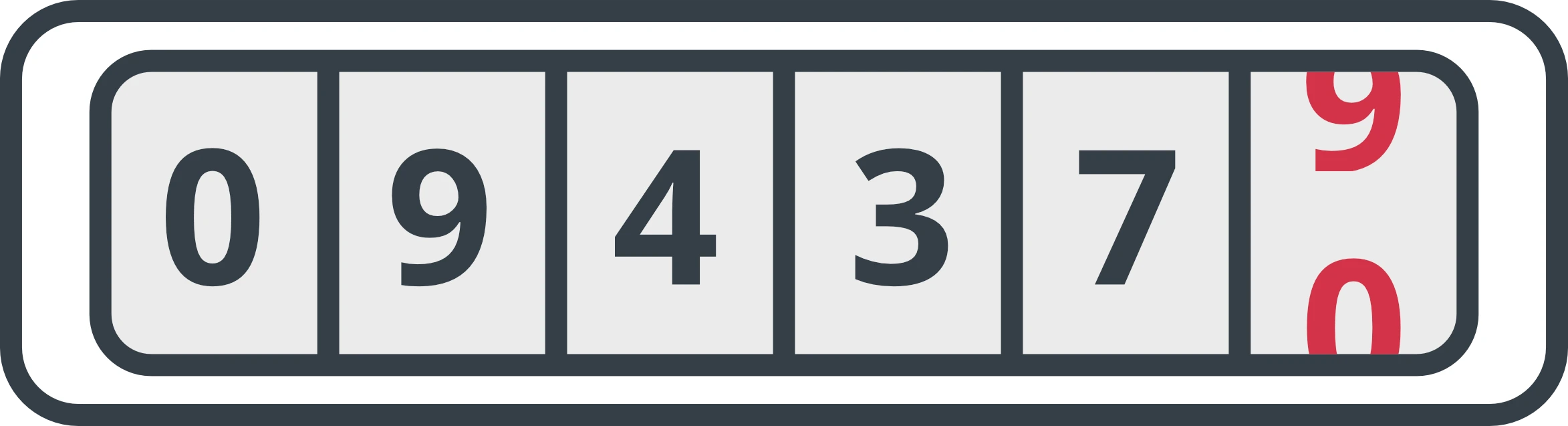
- Used when you pay one rate for both day and night usage.
- Write down the five numbers shown from left to right.
- Ignore any red digits.
- The meter reading in the above example 09437
Single rate meter
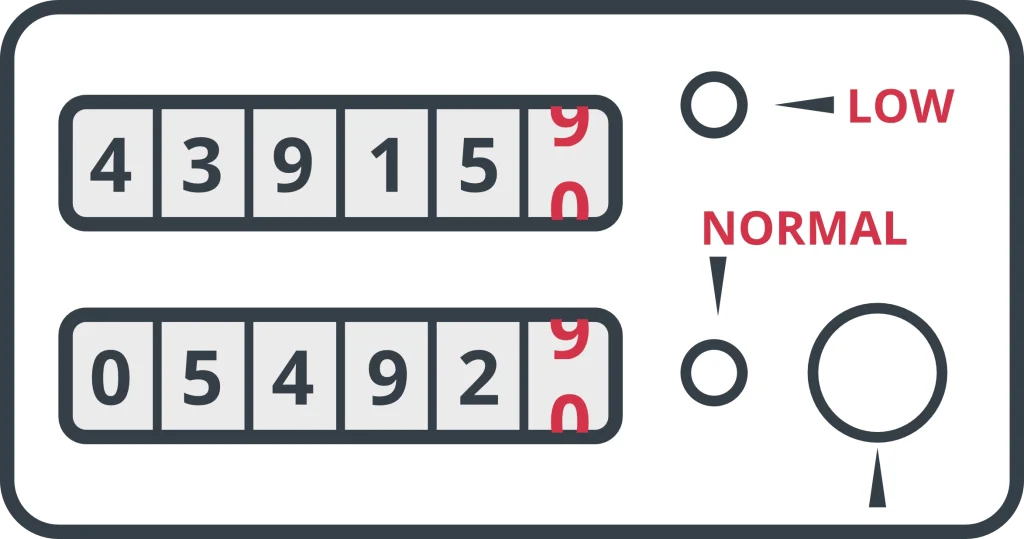
- These meters have two displays, showing your daytime and night-time usage separately.
- Write down both sets of numbers (top and bottom rows) from left to right.
- Ignore any red digits.
- The meter readings above are 43915 + 05492.
Two rate, single display meter
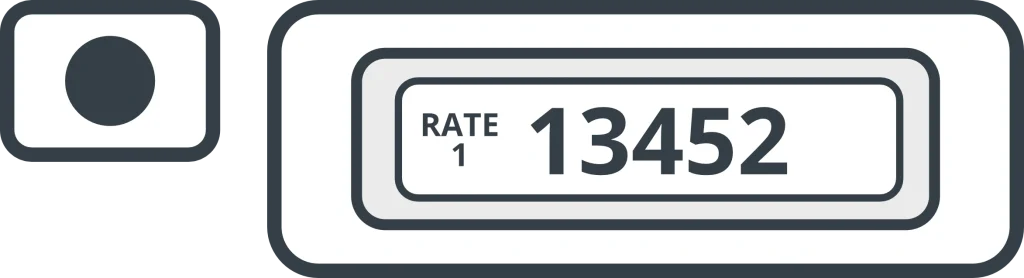
- Some meters show both readings on a single digital display.
- The display either cycles automatically or can be changed by pressing a button.
- “Rate 1” typically shows daytime usage and “Rate 2” shows night-time usage.
Dial meter
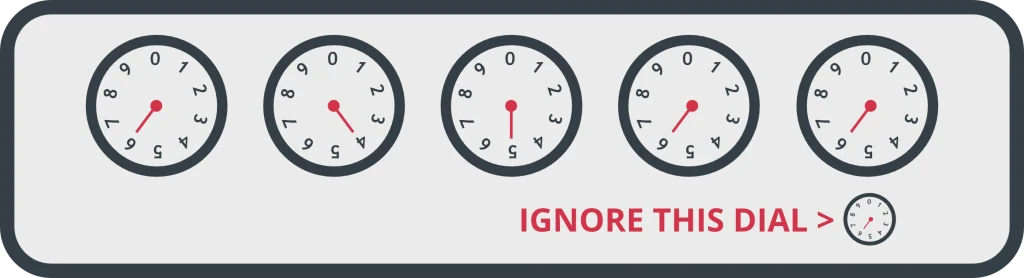
- Read the first five dials from left to right (ignore any marked 1/10).
- Write down the lower number when the pointer is between two digits.
- Note that dials can rotate in alternating directions.
- The meter reading in the above example 64566
Smart Meters
Smart meters are the new standard for gas and electricity in the UK. They automatically record your usage and send readings to your supplier, ensuring you receive accurate bills.
Each Smart meter comes with an in-home display (IHD), which shows your real-time energy usage in pounds and pence – helping you keep track of how much energy you’re using.
There are still a few cases where you may need to submit Smart meter readings manually:
- If you’re moving premises
- Following a business closure
- If your Smart meter is temporarily disconnected from your supplier
Some first-generation Smart meters (SMETS1) may not automatically send readings if you change energy suppliers. This is temporary – they are gradually being upgraded remotely to restore full functionality.
We’ve put together a handy guide as to how to take readings for all types of Smart Meters, click here to view this now.
Key Takeaways
- Traditional meters need manual readings for accurate bills.
- Smart meters automatically send readings to your supplier.
- Always ignore digits in red or after the decimal point when submitting readings.
If in doubt, contact your supplier for guidance or to request a meter reader visit.
Ready to Submit Your Meter Readings?
Once you’ve taken your readings, head to your energy supplier’s website or app to submit them. Regular and accurate readings ensure you’re only paying for the energy you actually use – not estimated bills.
💡 Need Help Reducing Your Energy Costs?
At WeSave, we help UK businesses compare the best energy deals from trusted suppliers — saving time, money, and stress.
Call us today on 01872 495 111 to find out how much your business could save on its next energy renewal.