Business Energy for High-Consumption Sites (1 GWh+)
Structured electricity and gas procurement for large commercial users, multi-site operators and half-hourly metered businesses.
This page is designed for businesses consuming 1,000,000 kWh or more annually and requiring structured energy procurement.
If your business consumes 1 GWh (1,000,000 kWh) or more annually, energy procurement requires more than a simple price comparison.
At this scale, electricity and gas contracts can materially influence operating margins, budgeting certainty and long-term financial planning. Capacity charges, half-hourly demand patterns, network costs and wholesale market volatility all play a material role in total spend.
High-consumption sites require structured procurement – not reactive switching.
At WeSave, we support high-consumption commercial users across the UK with strategic electricity and gas procurement designed around load profile, risk appetite and renewal timing.
Who This Applies To
This page is particularly relevant for businesses with half-hourly metered electricity supplies, complex load profiles or multiple high-consumption sites.
We regularly support large commercial users across a wide range of industries, including:
- Manufacturing facilities
- Warehouses and distribution centres
- Multi-site retail portfolios
- Hospitality groups
- Agricultural estates
- Care home groups
- Industrial processing sites
- Large office campuses
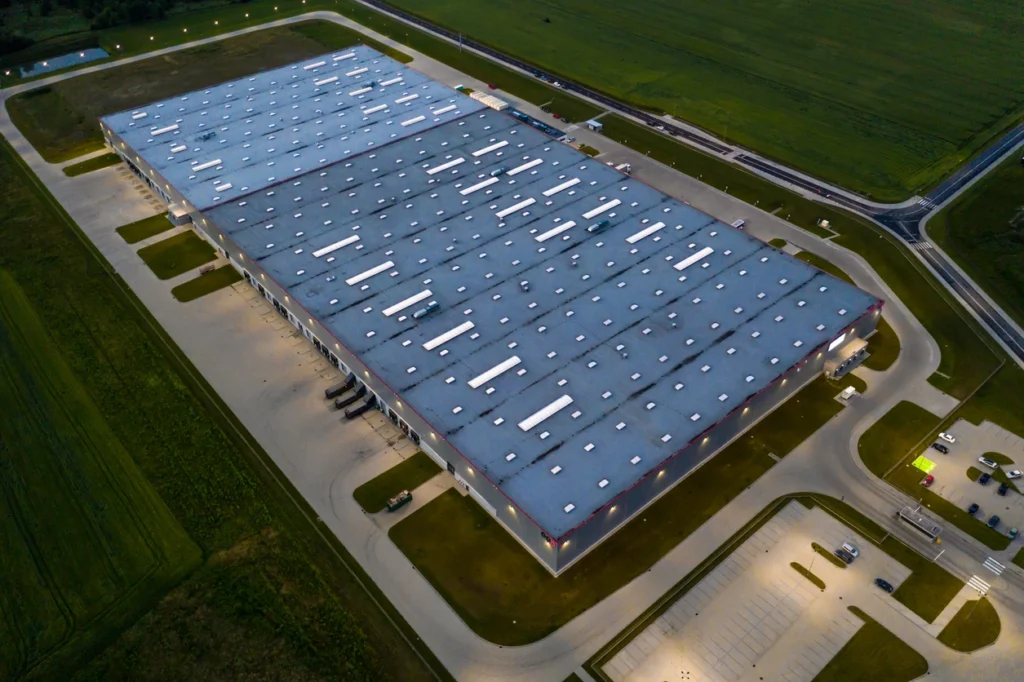


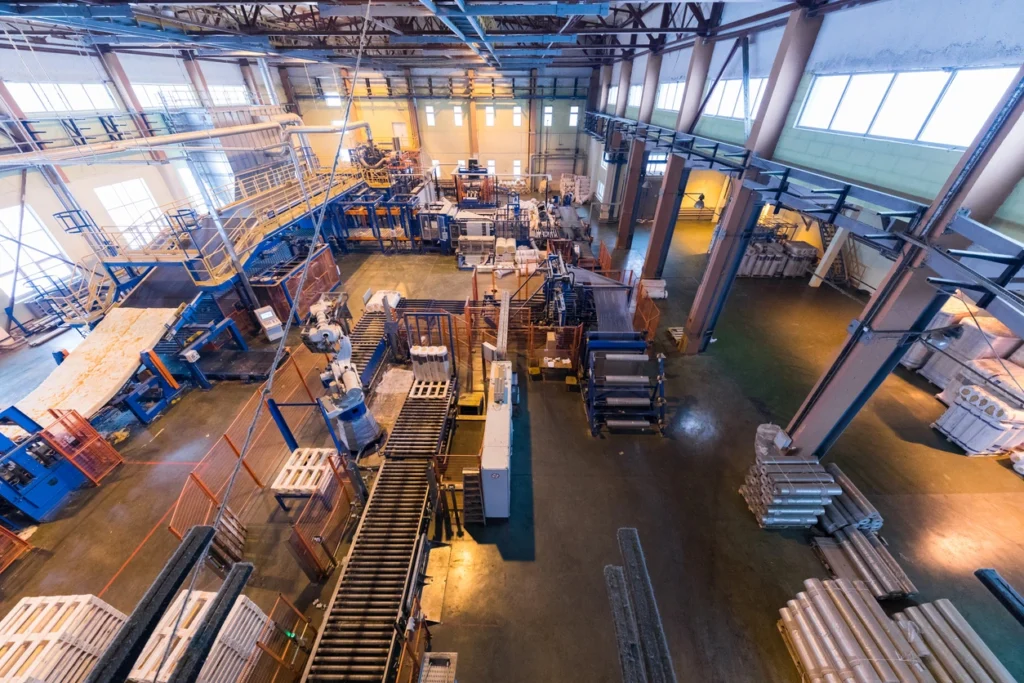
If your annual electricity consumption exceeds 1 GWh, your site is typically half-hourly metered and requires a more considered approach to contract structure and supplier negotiation.
Why High-Consumption Sites Require a Different Approach
Energy procurement at 1 GWh+ volumes is fundamentally different to standard SME comparison.
Half-Hourly Metering & Load Profile Analysis
Large sites are priced based on their demand profile – not simply total annual kWh. Suppliers assess peak demand patterns, time-of-use consumption and load stability when structuring pricing. Understanding your half-hourly data is critical to securing appropriate terms.
Capacity Charges & Maximum Demand
For three-phase and high-demand sites, agreed capacity levels influence cost exposure. Exceeding contracted capacity can lead to higher charges and unnecessary cost. Structured review ensures capacity levels align with operational reality.
Network Charges & Non-Commodity Costs
At higher volumes, network-related costs such as TNUoS and distribution charges form a larger proportion of total spend. Procurement strategy must account for both wholesale and non-commodity components.
Demand Spikes & Operational Cycles
Manufacturing runs, seasonal peaks, refrigeration loads or production cycles all influence pricing assumptions. Procurement without load profile awareness risks misaligned contract structure.
Renewal Timing & Market Exposure
The financial impact of wholesale market movement increases as volume increases. Entering the market at the right time can materially affect multi-year contract value.
Supplier Credit & Contract Terms
At higher consumption levels, supplier credit assessment and contractual structure become more significant. Payment terms, security requirements and volume tolerances can vary between suppliers and materially affect overall commercial flexibility. Careful review of contract terms – not just headline rates – is essential to ensure alignment with operational and financial requirements.
Fixed vs Flexible Procurement for Large Users
High-consumption sites typically consider two core approaches:
Fixed Contracts
Fixed-rate agreements provide budget certainty and protection against wholesale market volatility by locking in electricity or gas prices for an agreed period. They are often suited to organisations prioritising predictable expenditure, simplified budgeting and reduced exposure to short-term market movements.
For many large users – particularly those operating within defined annual budgets or governance frameworks – fixed contracts provide stability and clarity around energy costs. Once agreed, pricing remains consistent for the duration of the contract, allowing finance teams to forecast expenditure with greater confidence.
While fixed contracts remove the opportunity to benefit from potential wholesale price decreases, they also eliminate the risk of sudden market spikes impacting operational costs.
Flexible Contracts
Flexible energy contracts allow larger businesses to purchase electricity or gas in stages rather than fixing the entire requirement at a single point in time. This structured purchasing approach enables organisations to align procurement with wholesale market conditions and manage exposure to price movements over the duration of the contract.
For high-consumption sites with defined governance and internal oversight, flexible procurement can provide greater strategic control over how and when energy is purchased. Decisions can be made gradually as market conditions evolve, rather than committing to a fixed position immediately.
While this approach can create opportunities to benefit from favourable wholesale movements, it also requires active monitoring and a clearly defined purchasing strategy to manage risk effectively.
Renewable Energy & ESG Considerations
For large commercial users, renewable energy is increasingly linked to corporate reporting and stakeholder expectations.
We support high-consumption businesses with:
Renewable-backed electricity contracts
Biomethane-supported gas options
Commercially competitive green supply
Guidance around procurement alignment with sustainability targets
Renewable energy procurement should remain commercially sound while supporting ESG objectives.
We ensure clarity around both cost and environmental positioning.

Our Structured Procurement Approach
For high-consumption sites, we follow a defined procurement process designed to ensure energy contracts are aligned with operational demand, market conditions and long-term financial planning.

Load Profile & Consumption Analysis
We analyse half-hourly data and annual consumption patterns to understand base load, peak demand and operational cycles that influence supplier pricing.

Capacity & Demand Review

Market Timing Assessment

Supplier Negotiation Across Major UK Providers
We approach a range of trusted UK energy suppliers to obtain competitive proposals based on your consumption profile and contract requirements.

Contract Structure Alignment
Ongoing Renewal & Monitoring Strategy
Contracts are tracked throughout their lifecycle to ensure renewal opportunities are reviewed early and exposure to out-of-contract rates is avoided.
This structured approach ensures procurement decisions are driven by data and operational insight rather than assumptions.
Trusted by Businesses Across the UK
★★★★★
WeSave is rated Excellent on Trustpilot with 100% 5-star reviews, reflecting
our commitment to first-class service and long-term client relationships.
Lower pricing matters – but so does support.
From initial comparison through to contract placement, switching management and renewal reminders, we provide continuous assistance throughout the duration of your agreement.
Our clients range from independent local businesses to larger commercial organisations operating across multiple locations. We focus on long-term partnerships – not transactional switching.
Why Businesses Choose WeSave
- Independent, whole-of-market access to major UK electricity and gas suppliers
- Strategic contract advice tailored to your consumption profile, procument requirements and operational risk
- Dedicated UK-based support from comparison through to renewal and beyond

Frequently Asked Questions – High Consumption Energy
In most cases, sites consuming 1 GWh (1,000,000 kWh) or more annually are considered high-consumption energy users. At this level, electricity supplies are typically half-hourly metered, meaning usage is recorded every 30 minutes and analysed by suppliers when pricing contracts. Suppliers also consider factors such as peak demand patterns, load stability and capacity requirements when structuring pricing. As consumption increases, procurement decisions become more strategic and often require detailed analysis rather than simple tariff comparison.
The 1 GWh benchmark is commonly used within the UK energy market to identify businesses that may benefit from structured procurement strategies. However, some sites consuming less than this may still require specialist support depending on their load profile, operational demand and meter configuration. For example, sites with three-phase supply, refrigeration systems or production equipment may have complex demand patterns even at lower consumption levels. In practice, the threshold acts as a guide rather than a strict boundary.
Flexible energy procurement allows businesses to purchase energy in stages rather than fixing the entire contract at a single point in time. This approach can provide greater control over purchasing strategy and may allow organisations to respond to favourable wholesale market movements. However, flexible contracts typically require internal governance, risk tolerance and ongoing monitoring of wholesale markets. For organisations prioritising predictable budgeting, a fixed-rate agreement may still be the most appropriate option.
Half-hourly electricity meters record consumption every 30 minutes throughout the day, providing a detailed picture of how energy is used across different operational periods. Suppliers analyse this data to understand peak demand patterns, base load usage and demand stability when pricing contracts. Businesses with consistent load profiles may receive more competitive pricing because suppliers can forecast demand more accurately. Understanding half-hourly data is therefore an important part of structuring the right energy contract.
For high-consumption sites, the timing of contract renewal can significantly influence overall energy costs. Wholesale energy markets fluctuate constantly, and entering the market during favourable conditions can materially affect multi-year pricing. Many large organisations begin reviewing renewal options 6–12 months before contract expiry to monitor market conditions and secure competitive pricing. Early engagement also reduces the risk of being moved onto higher default rates.
If a contract expires without a new agreement in place, suppliers typically move the supply onto out-of-contract or deemed rates. These default tariffs are usually significantly higher than negotiated contract pricing and may also fluctuate with market conditions. For high-consumption sites, even a short period on out-of-contract rates can create substantial cost exposure. Proactive contract monitoring and early renewal planning help avoid this situation.
Yes. Many large organisations operate multiple premises with different contract end dates, which can make energy management more complex. We review each site individually and can develop strategies to align renewal dates where appropriate, simplifying procurement and improving budget planning. This approach can also help organisations negotiate contracts more effectively across their portfolio. Alignment strategies are particularly valuable for hospitality groups, logistics operators and multi-site retailers.
Capacity refers to the maximum level of electricity demand a site is allowed to draw from the network at any given time. If actual demand exceeds the agreed capacity level, additional charges may apply through distribution network tariffs. Conversely, many businesses operate with capacity levels that are higher than necessary, which can increase standing costs unnecessarily. Reviewing capacity alongside half-hourly demand data can help ensure the site is operating within the most cost-efficient parameters.
Yes. Renewable electricity options are widely available within the UK business energy market and can often be structured competitively for high-consumption users. Many suppliers offer contracts backed by Renewable Energy Guarantees of Origin (REGOs) or other verified renewable sources. For organisations with sustainability targets or ESG reporting requirements, renewable energy contracts can support environmental commitments without significantly increasing costs. Commercial competitiveness remains central to any recommendation we make.
Yes. We provide independent access to a wide range of major UK electricity and gas suppliers, allowing us to obtain competitive proposals for high-consumption sites. Because large energy contracts are often priced based on detailed consumption data, supplier engagement typically involves load profile analysis, demand forecasting and contract structure discussions. Our role is to ensure suppliers are pricing the site accurately and competitively based on its operational profile. This helps organisations secure contracts aligned with their actual energy usage.
Many high-consumption businesses review pricing up to 12 months before contract expiry to monitor market trends and identify favourable purchasing opportunities. Fixing too early can limit flexibility, while waiting too long can increase exposure to wholesale market volatility. A structured procurement strategy allows organisations to balance these risks by assessing market conditions and operational priorities. The right timing ultimately depends on risk tolerance, budget planning and internal governance.
What our client's say
Lucy
I am an administrator of a group of Care homes, and WeSave were extremely helpful in helping me secure attractive, competitive deals for our utilities going forward. What I like about this company is that they were not pushy at all and provide excellent customer service once you have secured the deals.
Mark Taylor
I'm treasurer of several operations within the village, covering 4 sites and 6 fuel contracts. Rob of WeSave was able to find and agree contracts for the sites which were due for renewal or out of contract and I will be happy for him to provide the remaining contracts as they become due. He gave a professional service and arranged everything for us.
The Beach House
After getting numerous quotes from various suppliers, we went with WeSave as they had the best prices and were easy to contact and deal with. The Customer Service, especially being able to speak with the same person regularly, made the switch very easy. Highly recommended
Ian Akeroyd
From the first contact with Rob the service has been excellent. Very helpful, friendly and professional at all times and not at all pushy. Out of the 5 different quotes I got WeSave was the best price. Will certainly use again and would highly recommend..
Brooks Estates Ltd
WeSave have made us savings of over £15,000 per year on green electricity and gas contracts across four of our properties so far. We have no hesitation in engaging WeSave to deal with all supplies across our portfolio, as the contracts come to an end, as we know that they will secure preferential rates with reputable suppliers.
Jodie Mills
The service was fantastic, I had the same guy call me each time. He was open and honest about charges etc, was nice and kind and very helpful, not pushy or rude. Will definitely use again. Thank you soo much
Raymond Nash
From my initial contact to speaking things through with Rob everything was made extremely simple and and at no time did I feel pressured in to making an immediate decision. It was a refreshing experience having dealt with numerous brokers and comparison companies in the past and to top it all they are actually based in Cornwall !!
Josie Warne
We Save was recommended to me by a fellow business owner, as they had a good experience for their electric comparison. We also had a very good experience and decided to go with their quote. Polite and courteous staff (we used Rob) and exceptionally good communication and timely responses. I am also assured that there is also very good after service should this be needed.
James Spargo
Excellent Service from Alex and the team. We worked together and they helped us all the way.
Highly Recommended!
Johnny's Tobacconist
I contacted WeSave as I was fed up with pushy sales energy brokers and I wanted to support a local business in Cornwall. Alex was friendly, efficient, helpful and communicated well. There was no hard sell or pressure to switch our energy supplier through WeSave. I highly recommend WeSave and Alex!
Our Services
Complete Business Energy Support from WeSave
At WeSave, we help UK businesses take control of their energy costs with clear, expert guidance and access to competitive tariffs from a wide panel of trusted suppliers. Whether you’re renewing, switching or exploring greener options, our service is designed to deliver long-term value, complete transparency and genuine savings.
We compare live electricity, gas and renewable energy prices, analyse your usage and negotiate better deals on your behalf. Our independent approach ensures every recommendation is tailored to your business needs – giving you confidence, clarity and a simpler way to manage your energy.
With WeSave, you get a trusted energy partner committed to reducing your costs and supporting your long-term sustainability goals.

Business Electricity
Compare fixed and flexible tariffs from a large range of trusted UK suppliers.

Business Gas
Reduce costs with competitive commercial gas deals with WeSave.

Green Energy
Power your business sustainably with green electricity and carbon-offset gas
Alongside electricity and gas, we also help businesses reduce costs and stay compliant with business waste collection services, all managed through one trusted partner. Click here for further information.