Business Energy for Farming & Agriculture
Compare farming electricity and gas contracts for rural businesses and agricultural estates. Fixed, flexible and renewable options available. Rated Excellent on Trustpilot.
Businesses consuming over 1 GWh annually may benefit from our large business energy procurement service.
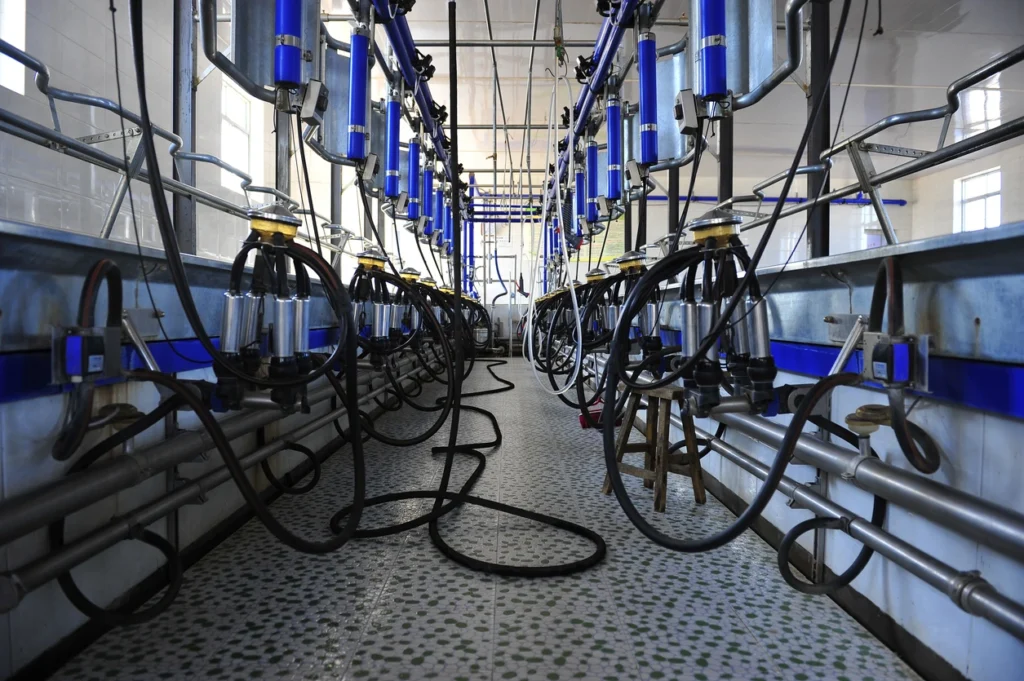
Agriculture and farming businesses operate with highly seasonal and operationally sensitive energy demand. Electricity powers milking parlours, irrigation systems, grain drying, refrigeration and cold storage, while gas may be used for heating, processing or ancillary facilities.
Unlike standard commercial premises, farming operations often experience significant seasonal peaks, weather-driven demand shifts and rural network constraints. This makes energy procurement more complex than simply comparing headline rates.
With wholesale markets fluctuating and non-commodity costs such as standing charges, network charges and capacity costs evolving, proactive contract management is essential for farms seeking long-term cost control.
At WeSave, we secure competitive agricultural electricity, gas and renewable energy contracts structured around real-world farm operations – not generic commercial assumptions.
Who We Support Within Farming & Agriculture
We work with a wide range of rural and agricultural operations, including:
- Dairy farms and livestock operations
- Arable and crop farms
- Poultry units
- Horticulture and greenhouse operators
- Agricultural estates
- Farm shops and on-site processing facilities
- Cold storage and grain drying sites
From single-site family farms to larger agricultural enterprises, our procurement approach adapts to operational scale.
Common Energy Challenges in Farming & Agriculture
Seasonal Consumption Peaks
Refrigeration & Cold Storage Load
Rural Network Constraints
Machinery & Three-Phase Supply
Exposure to Out-of-Contract Rates
How WeSave Supports Farming & Agriculture Businesses
Whole-of-Market Access
Fixed & Structured Contract Options
Rural Network Constraints
We assess usage profiles and seasonal peaks to ensure contracts reflect real demand patterns.
Renewable & Sustainable Supply Options
Ongoing Contract Support
Contract Strategy That Fits Farming & Agriculture Operations
Agricultural energy demand is rarely flat. Weather conditions, harvest cycles and livestock requirements create variable usage patterns that influence supplier pricing assumptions.
For smaller farms, a competitively structured fixed contract often provides valuable stability. For larger agricultural estates with three-phase or half-hourly metered supply, managing capacity charges, maximum demand and peak load becomes increasingly important.
We assess meter type, annual consumption, seasonal peaks and renewal timelines before recommending the most suitable contract structure – ensuring your energy strategy supports operational resilience and long-term cost control.
Understanding Energy in the Farming & Agriculture Sector
Energy Use & Operational Impact
Energy in farming directly supports productivity. From refrigeration preserving produce to irrigation systems protecting crop yields, reliable electricity is operationally critical. Fluctuations in pricing or poor contract structure can materially affect margins, particularly where energy represents a significant proportion of overheads.
Practical Ways to Reduce Energy Waste
Farms often reduce costs by monitoring peak demand, upgrading to energy-efficient motors and pumps, reviewing refrigeration maintenance and exploring solar or on-site generation options. Managing maximum demand and understanding seasonal load helps reduce unnecessary charges. Efficiency improvements can also strengthen negotiation outcomes at renewal.
Why Contract Structure Matters
Agricultural businesses are often more exposed to seasonal and capacity-related costs than standard commercial premises. Standing charges, maximum demand penalties and renewal timing can materially influence total spend. Choosing the right contract type and renewing early reduces volatility and protects margins.
Renewable & Sustainable Energy for Farming & Agriculture
Sustainability is increasingly central to modern farming operations. Renewable-backed electricity, biomethane-supported gas and on-site generation strategies can complement diversification and environmental objectives.
Renewable contracts can support brand positioning, environmental stewardship and long-term resilience without necessarily increasing costs. We provide clear, transparent comparisons so agricultural businesses can make informed decisions.
Frequently Asked Questions - Farming & Agriculture Energy
Farms should begin reviewing contracts 6–12 months before renewal to avoid out-of-contract pricing and secure competitive rates. Early planning is especially important where seasonal demand may influence supplier pricing. Proactive procurement reduces volatility and supports budget certainty. It also provides time to assess meter type and capacity requirements.
Many agricultural sites operate three-phase supply to support heavy machinery, pumps and refrigeration systems. Three-phase supply can influence capacity charges and tariff structure. Understanding these factors is critical when comparing contracts. We assess supply type as part of the procurement process.
Sharp increases in demand during harvest or drying periods can influence supplier assumptions and capacity charges. While contracts are typically based on annual consumption, peak demand patterns may affect overall cost structure. Understanding load profile is important for accurate comparison. Seasonal planning reduces unexpected cost exposure.
Sharp increases in demand during harvest or drying periods can influence supplier assumptions and capacity charges. While contracts are typically based on annual consumption, peak demand patterns may affect overall cost structure. Understanding load profile is important for accurate comparison. Seasonal planning reduces unexpected cost exposure.
Capacity charges relate to the maximum demand agreed with the network operator. Exceeding this level can trigger additional costs. Farms with heavy machinery or seasonal spikes must understand capacity settings. Proper contract structure helps manage this risk.
Yes. Renewable-backed electricity is widely available and often competitively priced. Many farms choose renewable supply to support sustainability goals and environmental credentials. Renewable options can complement on-site solar or generation strategies. We compare renewable and standard tariffs transparently.
Yes. Renewable-backed electricity is widely available and often competitively priced. Many farms choose renewable supply to support sustainability goals and environmental credentials. Renewable options can complement on-site solar or generation strategies. We compare renewable and standard tariffs transparently.
Default pricing can be significantly higher than agreed contract rates. For higher-consumption farms, this can materially impact margins. Early renewal planning is the most effective way to prevent this risk. We monitor renewal dates proactively.
Yes. We manage both electricity and commercial gas contracts where applicable. Coordinating renewals improves oversight and reduces risk. Dual-fuel management simplifies supplier communication. We support both small farms and larger estates.
Because total cost includes standing charges, network costs and capacity charges – not just unit rate. A low p/kWh tariff may not be cheapest overall if other elements are high. Early renewal and proper contract alignment protect margins. Procurement should focus on total cost and operational fit.
Compare farming and agriculture business energy prices with WeSave today
Request your free quote in seconds...
Easily compare top suppliers
We compare prices from over 20 leading UK suppliers to find the cheapest tariffs available – including your top options for green energy.
Access the best prices
Our strong relationships with suppliers allow you to secure the lowest rates available
Rated ‘Excellent’ on Trustpilot
Join the growing number of UK businesses that already rely on us to manage their energy – check out some of our reviews below.
★★★★★
We’re rated Excellent on Trustpilot with 100% 5 star reviews.
Explore Business Energy Solutions Across Other Sectors
We also support businesses across retail, manufacturing, care, education and more.
Explore how sector-specific energy strategies can support your wider operations.
Choose any other sectors below to learn more.